Red Flags to Watch for When Hiring a Roofer
Knowing the red flags roofer warning signs can be the difference between a quality repair and a costly nightmare. Every year, homeowners lose thousands of dollars to unqualified contractors who disappear after collecting a deposit or deliver shoddy work that fails within months. Before you let anyone climb onto your roof, here is what you need to watch for.
Why Spotting Red Flags in a Roofer Matters Before You Sign
Roofing is one of the most fraud-prone home improvement trades. Because most homeowners rarely deal with roof work, they have little frame of reference for what a legitimate process looks like — and dishonest contractors know it.
The consequences of hiring the wrong person go beyond a bad repair. You could end up with voided manufacturer warranties, structural damage from improper installation, or no legal recourse if the contractor vanishes. Recognizing a red flags roofer situation early protects your home, your money, and your peace of mind.
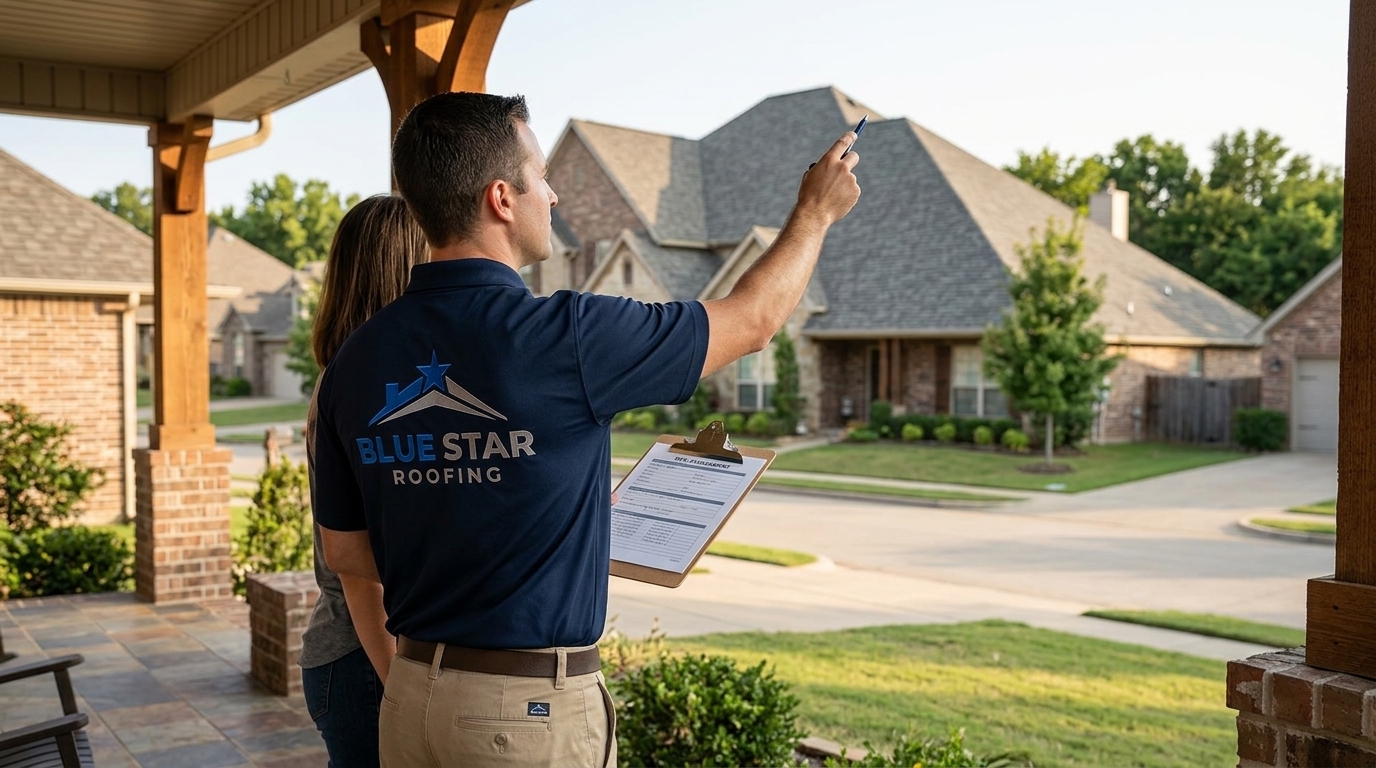
Practical tip: Before any contractor visits, write down three questions — ask about their license, their insurance, and whether they pull permits. A trustworthy roofer will answer all three without hesitation.
The Real Cost of Ignoring Red Flags in a Roofer
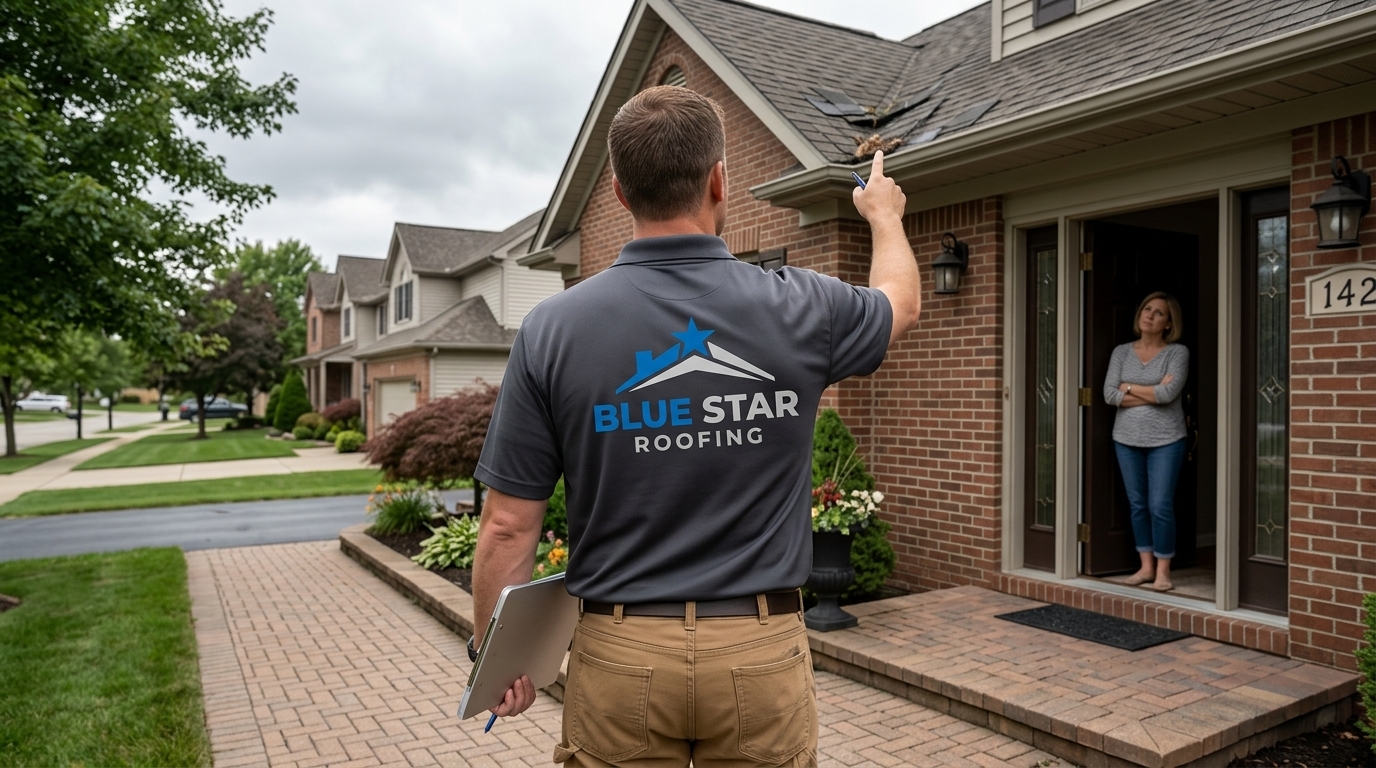
Homeowners who overlook early warning signs often pay twice — once to the bad contractor and again to a legitimate one who has to fix the damage. In some cases, insurance claims are denied because the original work was done without permits or by an unlicensed crew. The financial and structural damage from a single bad hire can take years to fully resolve, which is why identifying a red flags roofer situation before work begins is so critical.
Roofing Scam Warning Signs You Should Never Ignore
Some roofing scam warning signs are obvious once you know what to look for. Others are subtle enough that even careful homeowners miss them. Here are the most common patterns that signal a contractor is not who they claim to be.
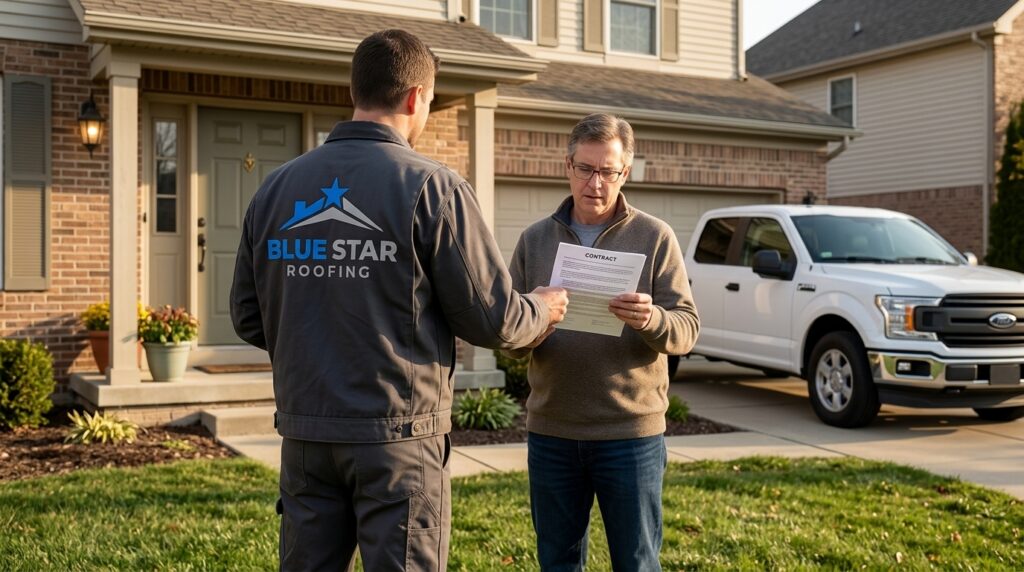
They show up uninvited after a storm. Storm chasers are contractors — often from out of state — who flood neighborhoods after severe weather looking for quick jobs. They pressure homeowners to sign contracts on the spot before the homeowner has time to research them. Legitimate local roofers do not need to knock on doors to find work.
They demand a large upfront deposit. A standard deposit for roofing work is typically 10–30% of the total job cost. If a contractor asks for 50% or more before a single shingle is touched, that is a serious roofing scam warning sign. Some will take the full payment and never return.
They offer a suspiciously low bid. If one estimate comes in dramatically lower than the others, ask why. Cheap bids often mean cheap materials, unlicensed labor, or a plan to cut corners that will cost you more in repairs down the road.
They cannot provide proof of insurance. Every legitimate roofing contractor carries general liability insurance and workers’ compensation. If they hesitate, make excuses, or hand you a certificate that looks unofficial, walk away.
Practical tip: Always request a certificate of insurance directly from the contractor’s insurance provider — not just a copy handed to you by the contractor themselves.
How to Avoid a Bad Roofer: Vetting Steps That Actually Work
Understanding how to avoid a bad roofer comes down to doing a few non-negotiable checks before any work begins. These steps take less than an hour and can save you thousands.
Verify their license. Most states require roofing contractors to hold a valid license. Check your state’s contractor licensing board website and confirm the license number the contractor provides is active and in good standing.
Check their local reputation. Look for reviews on Google and the Better Business Bureau. Pay attention to how the company responds to negative reviews — that tells you as much as the reviews themselves. A contractor with no online presence at all is a warning sign on its own.
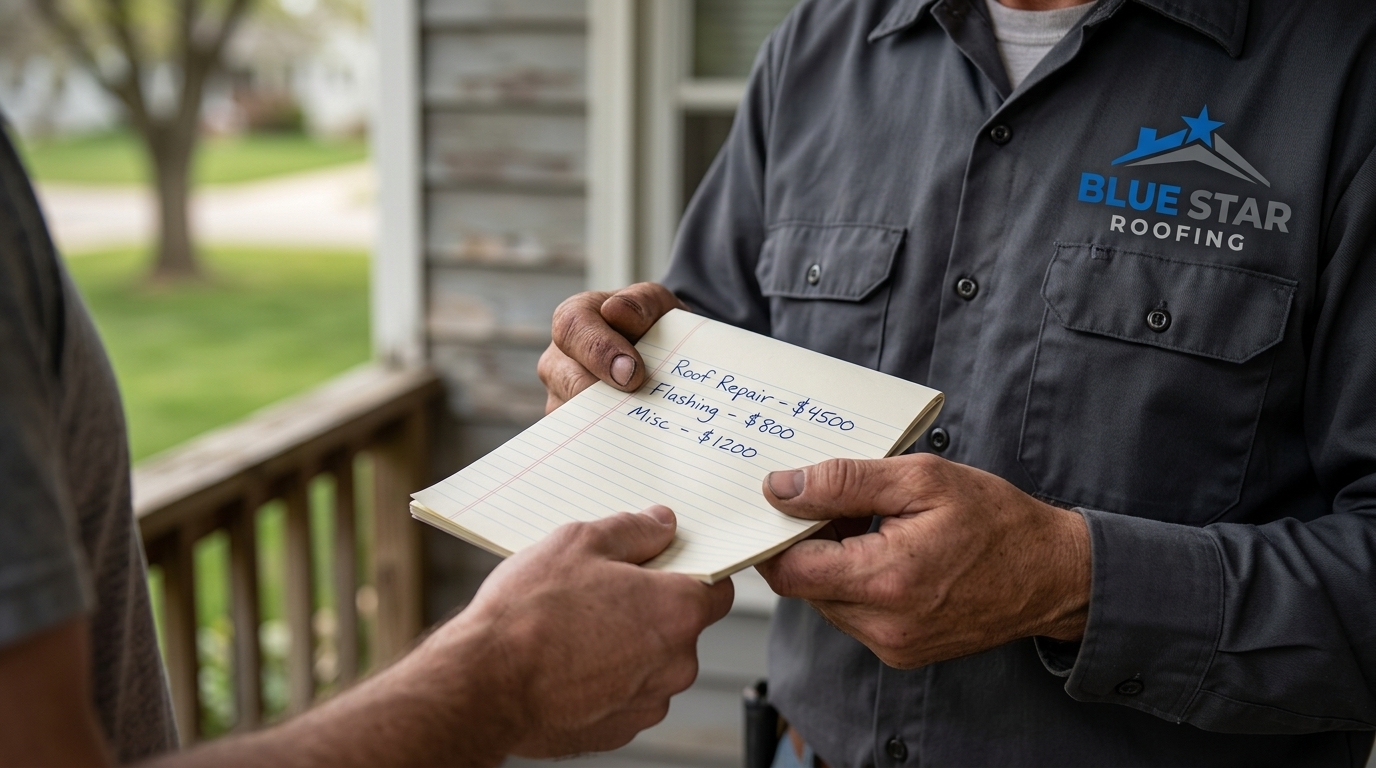
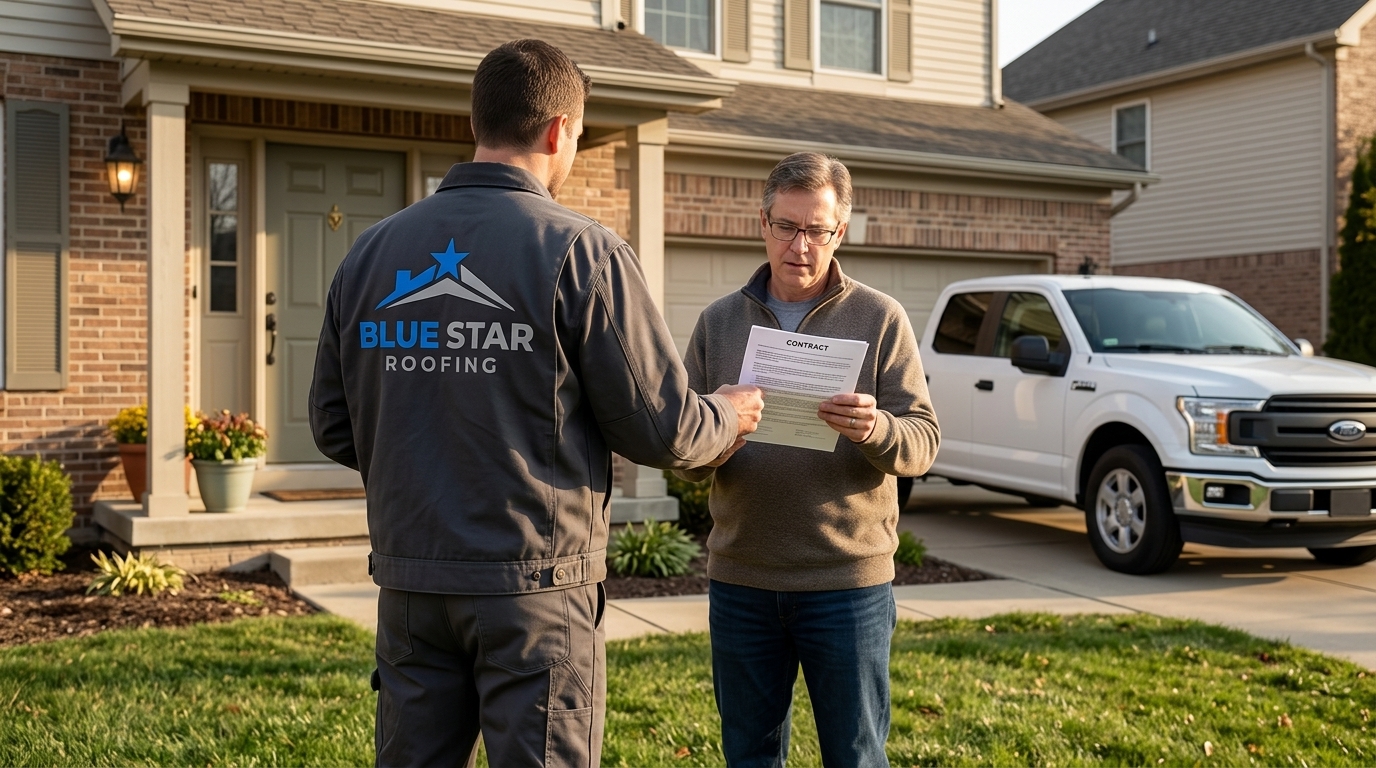
Get everything in writing. A legitimate roofing contract should include the scope of work, materials to be used (with brand and product names), the project timeline, payment schedule, and warranty terms. Vague contracts are one of the clearest red flags roofer situations you will encounter.
Ask about permits. Most roofing replacements require a permit from your local municipality. If a contractor suggests skipping the permit to save time or money, that is a serious problem — it can affect your home’s resale value and your insurance coverage.
Practical tip: Ask the contractor for references from jobs completed in the last six months, then actually call those references and ask specifically about cleanup, communication, and whether the final cost matched the estimate.
Contract and Payment Red Flags Every Homeowner Should Know
Even after a contractor passes your initial vetting, the contract and payment process can reveal additional problems. This is where many homeowners let their guard down — and where dishonest contractors do their most damage.
Watch for contracts that are missing key details. If the document does not specify the exact materials being used, the start and completion dates, or the warranty terms, do not sign it. A vague contract protects the contractor, not you.
Be cautious of contractors who push you to file an insurance claim on their behalf or who say they will “handle everything” with your insurer. While some legitimate roofers do assist with claims, a contractor who pressures you to inflate a claim or who asks to be listed as the payee on your insurance check is showing you a clear red flags roofer pattern.
Also watch for pressure tactics — urgency language like “this price is only good today” or “we have leftover materials from another job” are classic manipulation tools used to prevent you from doing proper research.
Practical tip: Never pay the final balance until the job is fully complete, the site is cleaned up, and you have walked the roof with the contractor — or had an independent inspector verify the work.
What a Legitimate Roofing Contractor Looks Like
Knowing what good looks like makes it easier to spot what is not. A trustworthy roofing contractor will have a physical local address — not just a P.O. box or a cell phone number. They will carry verifiable insurance, hold an active license, and be willing to provide references without being asked twice.
They will give you a detailed written estimate that breaks down labor and materials separately. They will explain the permit process and handle it on your behalf. And they will not pressure you to decide on the spot.
A reputable contractor also stands behind their work with a written workmanship warranty — separate from the manufacturer’s material warranty. If a roofer cannot tell you what their workmanship warranty covers or how long it lasts, that is another red flags roofer signal worth taking seriously.
Practical tip: Compare at least three written estimates before choosing a contractor. The goal is not to find the cheapest option — it is to find the best value from a contractor you can verify and trust.
Protecting your home starts with knowing what to look for before a single nail is driven. The red flags roofer warning signs covered here — from storm chasers and vague contracts to missing insurance and high-pressure tactics — are all avoidable when you take the time to vet your contractor properly. Most homeowners who get burned do so because they moved too fast or trusted too easily. Slow down, ask the hard questions, and do not let urgency override your judgment. A quality roof is a long-term investment, and the contractor you choose should treat it that way.
If you want a roofing contractor who is transparent, licensed, and accountable from the first call to the final inspection, reach out to Blue Star Roofing. We are happy to answer every question you have — no pressure, no shortcuts.
Frequently Asked Questions
What are the biggest red flags roofer warning signs after a storm?
The biggest red flags roofer warning signs after a storm include unsolicited door-to-door visits, pressure to sign a contract immediately, and requests for large upfront payments. Storm chasers often move on quickly once they have collected a deposit, leaving homeowners with incomplete or substandard work. Always take time to research any contractor who approaches you after severe weather, regardless of how urgent they make the situation sound.
How do I know if a roofing scam is happening to me?
Common roofing scam warning signs include vague contracts with no material specifications, requests to pay in cash only, and contractors who cannot provide a verifiable license number or insurance certificate. If a deal feels rushed or the price seems too good to be true, trust that instinct. Taking 24 to 48 hours to verify a contractor’s credentials before signing anything is always the right move.
Is it a red flags roofer situation if they ask me to pay in full upfront?
Yes — asking for full payment before work begins is one of the clearest red flags roofer situations you can encounter. A standard and fair payment structure involves a modest deposit, a progress payment mid-project if the job is large, and a final payment upon satisfactory completion. Any contractor who insists on full payment upfront should be avoided.
What should a legitimate roofing contract include?
A legitimate roofing contract should include the full scope of work, the specific materials being used with brand and product names, the project start and estimated completion dates, a detailed payment schedule, and both the manufacturer’s material warranty and the contractor’s workmanship warranty. Missing any of these elements is a warning sign that the contractor may not be operating professionally.
How can I learn how to avoid a bad roofer before getting estimates?
The best way to understand how to avoid a bad roofer is to do your homework before anyone visits your home. Check your state’s licensing board, read recent reviews on Google and the BBB, and ask neighbors or friends for referrals. Going into the estimate process already knowing what questions to ask puts you in a much stronger position to identify problems early.