Licensed vs. Unlicensed Roofers: What Every Homeowner Must Know
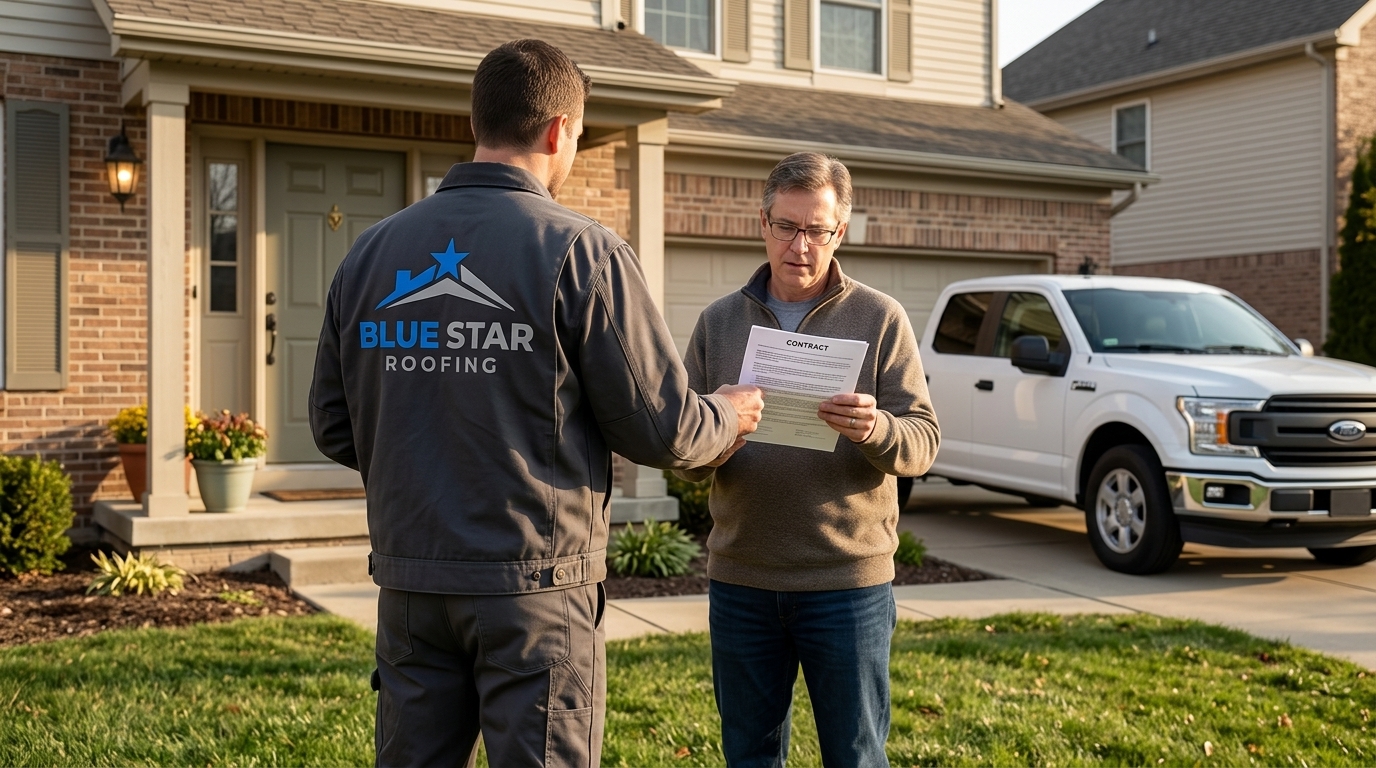
Choosing a licensed roofer over an unlicensed one is one of the most important decisions you will make when protecting your home. The difference is not just a piece of paper — it affects your legal protection, your insurance coverage, and the long-term quality of the work. Before you accept any bid or sign any contract, here is exactly what you need to know.
What It Actually Means to Be a Licensed Roofer
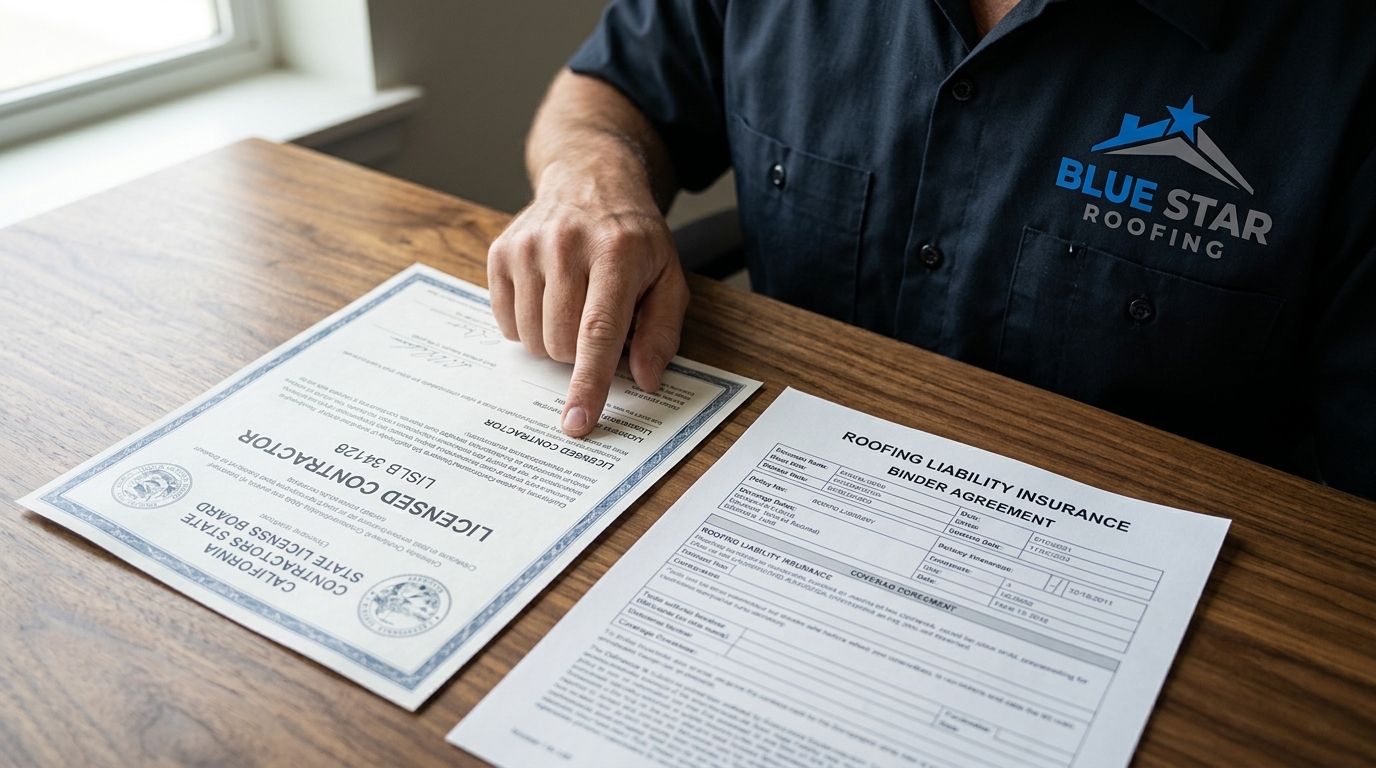
A licensed roofer has passed state-required exams, demonstrated verifiable field experience, and registered with the appropriate licensing authority. In California, that means holding an active license through the Contractors State License Board — commonly known as the CSLB. This is not a formality. It is a legal requirement for any roofing job valued at $500 or more in labor and materials.
Unlicensed contractors have not met these standards. They may have some roofing experience, but they have not been vetted, tested, or held accountable by any regulatory body. That gap in accountability is where homeowners get hurt.
Practical tip: Before any roofer sets foot on your property, ask for their license number and verify it directly on the CSLB website. The lookup is free and takes less than two minutes.
How a CSLB Licensed Roofer Is Verified in California
A CSLB licensed roofer must hold a C-39 Roofing classification to legally perform roofing work in California. This classification requires at least four years of journeyman-level experience, a passing score on both a trade exam and a law and business exam, and proof of workers’ compensation insurance if they employ workers.
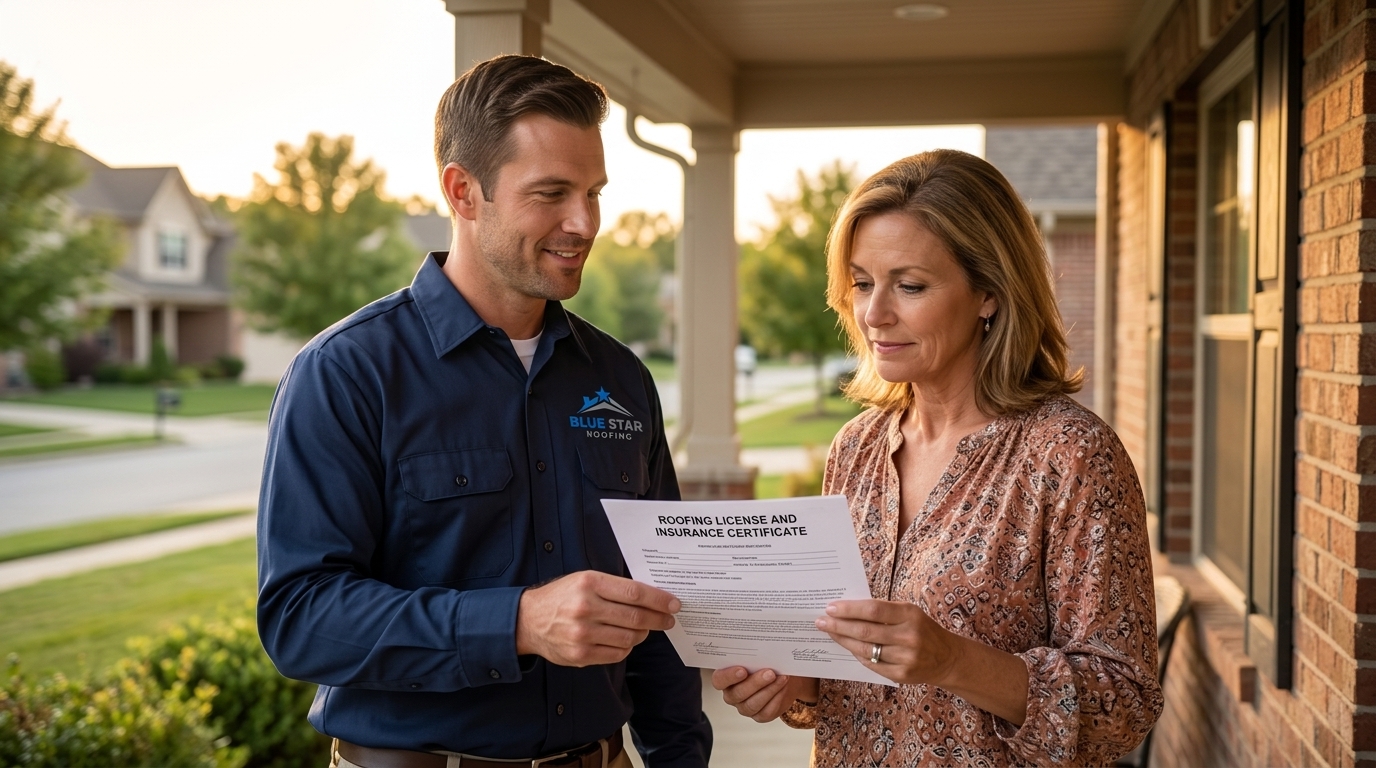
When you verify a contractor’s license on the CSLB website, you can see their license classification, expiration date, bond status, and any disciplinary actions on record. If any of those fields show a problem — expired license, no bond, or a history of complaints — walk away. A legitimate CSLB licensed roofer will have a clean, active record with no hesitation about sharing it.
The Real Risks of Hiring an Unlicensed Roofing Contractor
Hiring an unlicensed roofing contractor might look like a way to save money upfront. In reality, it is one of the most expensive mistakes a homeowner can make. Here is why the risk is never worth it.
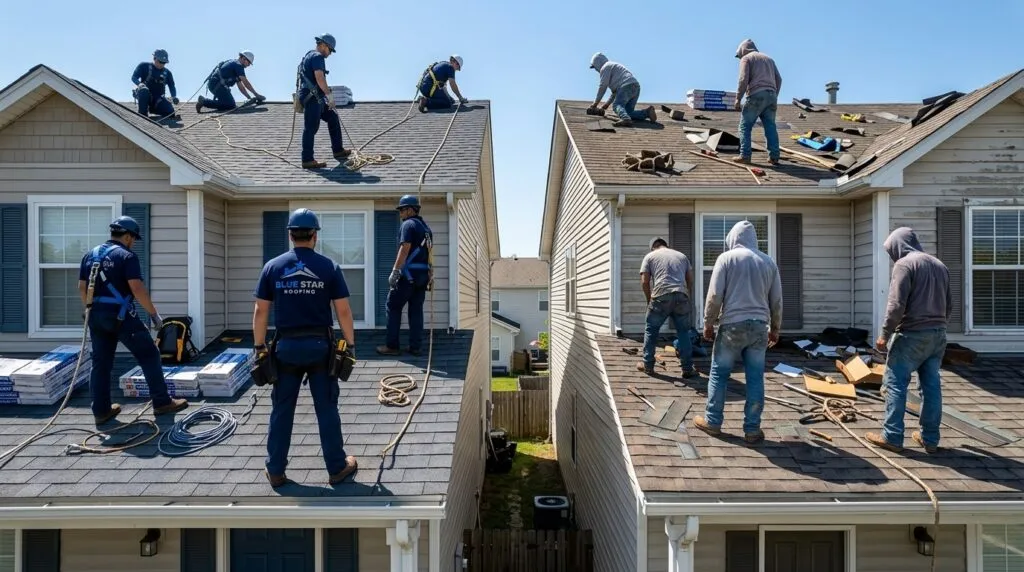
First, if a worker is injured on your roof and the contractor carries no workers’ compensation insurance — which unlicensed contractors almost never do — you could be held liable for their medical bills and lost wages. Your homeowner’s insurance may not cover this.
Second, unlicensed work can void your manufacturer’s roofing warranty. Most shingle and material warranties require installation by a licensed roofing contractor. If an unlicensed crew installs your roof and something fails, the manufacturer has grounds to deny your claim entirely.
Third, unpermitted work done by an unlicensed contractor can create serious problems when you sell your home. Buyers’ inspectors will flag it, lenders may refuse to finance the sale, and you could be required to tear out and redo the work at your own expense.
Practical tip: Always ask for proof of workers’ compensation and general liability insurance before work begins. A legitimate licensed roofing contractor will provide certificates without being asked twice.
5 Critical Protections You Get With a Licensed Roofer
Working with a licensed roofer gives you a specific set of legal and financial protections that simply do not exist when you hire someone without credentials. These are not abstract benefits — they are real safeguards that have saved homeowners thousands of dollars.
- Legal recourse through the CSLB: If a licensed roofer does substandard work or abandons a job, you can file a formal complaint with the CSLB. The board has enforcement authority and can take action against the contractor’s license.
- Contractor’s bond protection: Licensed contractors in California are required to carry a contractor’s bond. If they cause damage or fail to complete the job, you have a financial recovery path through that bond.
- Workers’ compensation coverage: If anyone on the crew is injured while working on your home, their employer’s workers’ comp policy covers it — not you.
- Permit compliance: A licensed roofer knows when a permit is required and how to pull one. Permitted work is inspected and documented, which protects your home’s value and your legal standing.
- Manufacturer warranty eligibility: Many premium roofing material warranties — some covering 25 to 50 years — are only valid when installed by a licensed roofing contractor. Skipping this requirement can cost you the entire warranty.
Practical tip: Request a copy of the contractor’s bond certificate along with their license number. Both should be current and verifiable.
How Unlicensed Roofers Undercut Prices — and Why That Should Worry You
Unlicensed contractors can offer lower bids because they skip the costs that legitimate businesses carry. No license fees. No insurance premiums. No bond. No continuing education. No overhead tied to compliance. That savings gets passed to you as a lower quote — and it looks attractive until something goes wrong.
The problem is that those skipped costs are not optional extras. They are the infrastructure of accountability. When an unlicensed contractor disappears after taking a deposit, or installs a roof that leaks within a year, you have almost no legal path to recover your money.
Contrast that with a licensed roofing contractor, who operates under a regulatory framework that gives you real options if something goes sideways. The slightly higher upfront cost is not a markup — it is the price of protection.
Practical tip: If a bid comes in significantly lower than all others, ask the contractor directly for their license number before going any further. A low bid from an unlicensed contractor is not a deal — it is a liability.
Red Flags That Signal an Unlicensed Contractor
Knowing what to watch for can save you from a costly mistake. Here are the most common warning signs that a contractor may not be properly licensed:
- They cannot provide a license number on the spot
- They ask for a large cash deposit before any work begins
- They show up door-to-door after a storm offering unusually low prices
- Their written estimate is vague, with no line-item breakdown
- They pressure you to sign quickly or claim the deal expires today
- They are unwilling to pull permits, saying it will ‘slow things down’
Any one of these behaviors warrants caution. Two or more should end the conversation. A qualified licensed roofer will never pressure you, will always provide documentation, and will welcome your questions about their credentials.
What to Ask Before Hiring Any Roofing Contractor
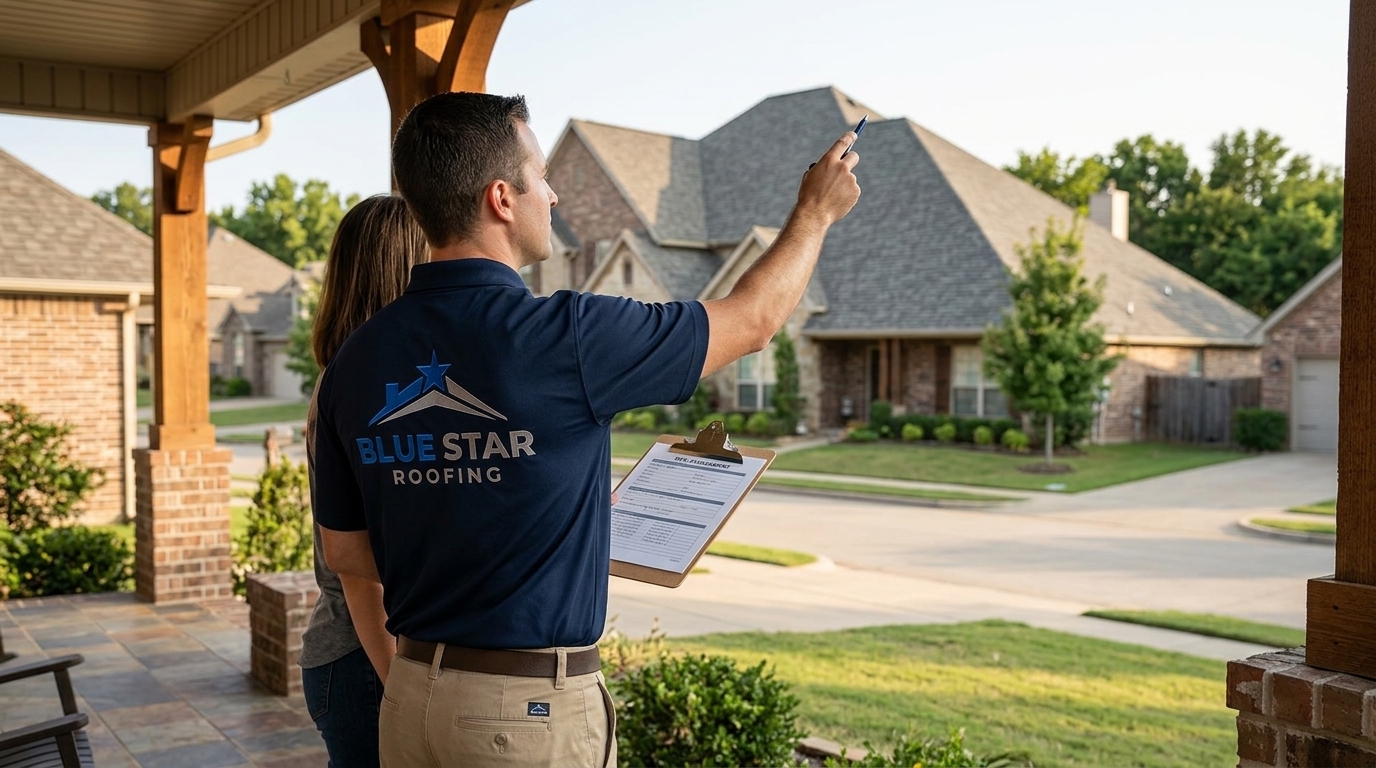
Vetting a roofer does not have to be complicated. A few direct questions will tell you almost everything you need to know before committing to a contract.
Start with the basics: Ask for their CSLB license number and verify it yourself. Ask whether they carry general liability insurance and workers’ compensation, and request certificates — not just verbal confirmation. Ask whether the job requires a permit and who will pull it.
Then go a level deeper: Ask how long they have been operating under this license. Ask whether they use subcontractors, and if so, whether those subs are also licensed. Ask what happens if there is a problem with the work after completion — what does their warranty cover and for how long?
A licensed roofing contractor will answer every one of these questions clearly and without hesitation. If a contractor gets defensive, vague, or tries to redirect you, that is your answer.
Practical tip: Write your questions down before the estimate appointment. Contractors who know you are informed will take the job — and your expectations — more seriously.
Why Blue Star Roofing Operates as a Fully Licensed Roofing Contractor
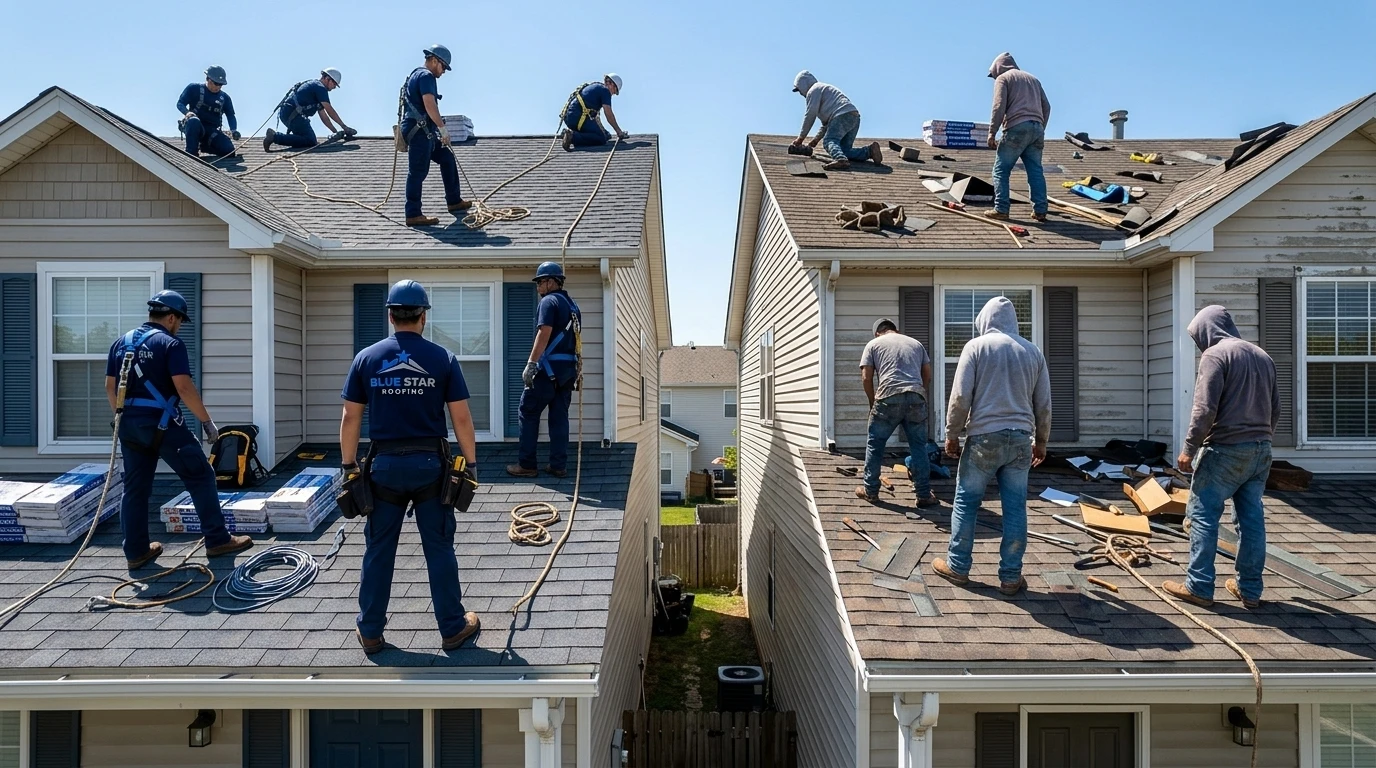
At Blue Star Roofing, every project is completed by a licensed roofing contractor who carries full insurance, pulls required permits, and stands behind the work with a written warranty. This is not a selling point — it is the baseline standard every homeowner deserves.
We have seen firsthand what happens when homeowners hire unlicensed crews: failed inspections, voided warranties, water damage that was not caught until it spread through the structure, and contractors who cannot be found when problems surface. Our commitment to operating as a licensed roofer is rooted in the belief that your home deserves the same level of accountability we would expect for our own.
When you work with Blue Star Roofing, you can verify our license, review our insurance certificates, and ask every hard question on your list. We welcome it.
Practical tip: No matter which contractor you choose, always get the final scope of work, pricing, and warranty terms in writing before any work begins.
The choice between a licensed roofer and an unlicensed one is not really a close call. One gives you legal protection, insurance coverage, permit compliance, and a clear path to recourse if something goes wrong. The other gives you a lower number on a piece of paper and very little else. Your roof is one of the most critical components of your home — it deserves the accountability that only a properly credentialed contractor can provide. Do not let a short-term savings tempt you into a long-term problem.
Ready to work with a team that takes licensing, insurance, and quality seriously? Reach out to Blue Star Roofing for a transparent estimate and straight answers to every question you have.
Frequently Asked Questions
How do I verify that a licensed roofer is legitimate in California?
You can verify any licensed roofer in California by visiting the CSLB website and entering their license number. The search will show you the license classification, current status, expiration date, bond information, and any complaints or disciplinary actions on file. Always verify before signing a contract — not after.
What is the difference between a licensed roofer and an unlicensed one?
A licensed roofer has passed state trade and business exams, met experience requirements, and registered with the CSLB. They are required to carry insurance and a contractor’s bond. An unlicensed contractor has met none of these requirements and operates outside the regulatory system that protects homeowners.
Can an unlicensed roofing contractor void my home warranty?
Yes. Most manufacturer roofing warranties require installation by a licensed roofing contractor. If an unlicensed crew installs your roof and a defect occurs, the manufacturer can deny your warranty claim on the grounds that the installation did not meet their requirements. This can leave you paying out of pocket for repairs that should have been covered.
Is it legal to hire an unlicensed roofer in California?
In California, any roofing job valued at $500 or more in combined labor and materials legally requires a licensed contractor. Hiring an unlicensed contractor for work above this threshold is a violation of state law and can expose you to significant financial and legal risk if something goes wrong.
What should I do if a licensed roofer does poor work on my home?
If a licensed roofer performs substandard work, you have formal recourse through the CSLB. You can file a complaint, and the board has the authority to investigate, mediate disputes, and take disciplinary action against the contractor’s license. You may also have a claim against their contractor’s bond depending on the nature of the issue.