How to Choose the Best Roofing Company for Your Home
Finding a trustworthy roofing company is one of the most important decisions you will make as a homeowner — and one of the easiest to get wrong. Your roof is the first line of defense against rain, wind, heat, and everything else the weather throws at your home. This guide walks you through exactly what separates the best roofers from the rest, so you can hire with confidence and protect your investment for decades to come.
What Makes a Roofing Company Truly Reliable
Not every roofing company that shows up at your door is worth your time or your money. Reliability comes down to a combination of credentials, communication, and a track record that holds up under scrutiny. The best roofers earn their reputation job by job — and they are not shy about proving it.
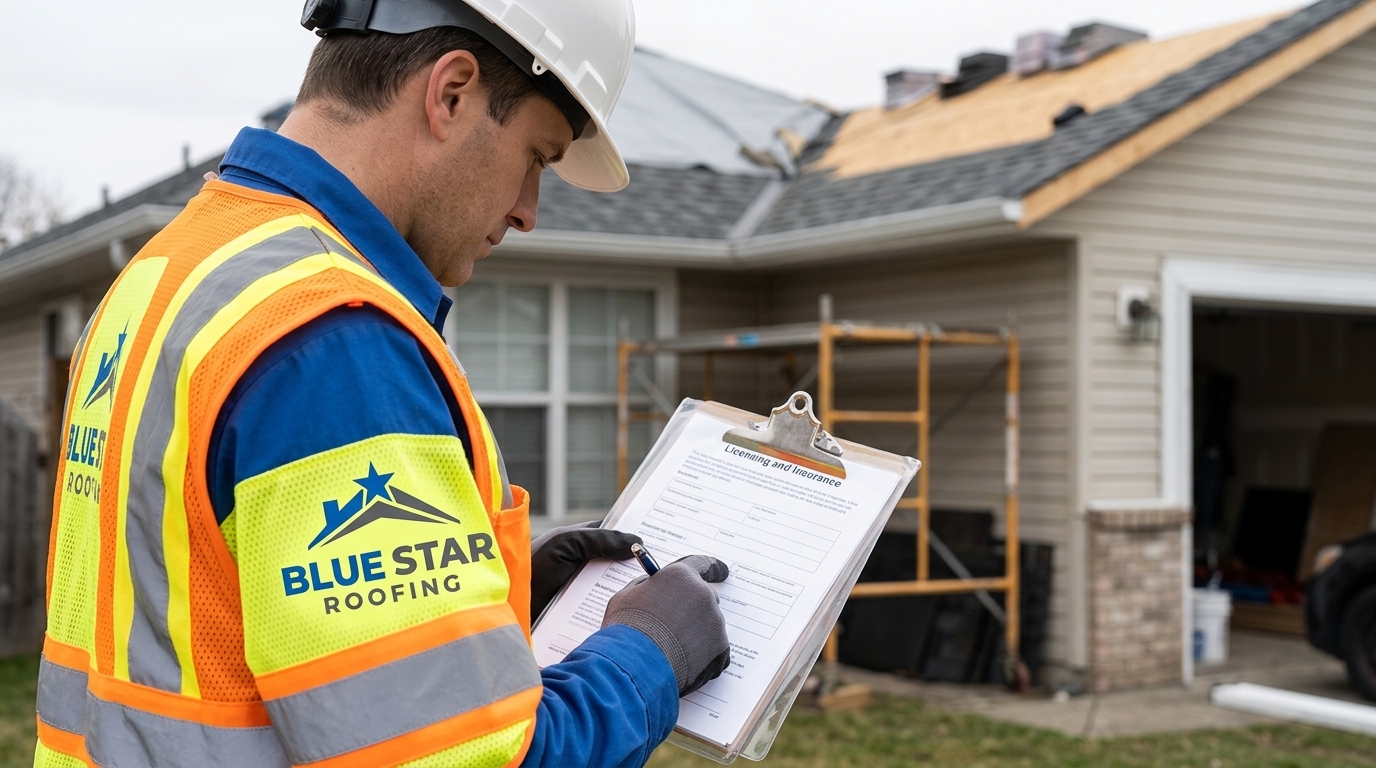
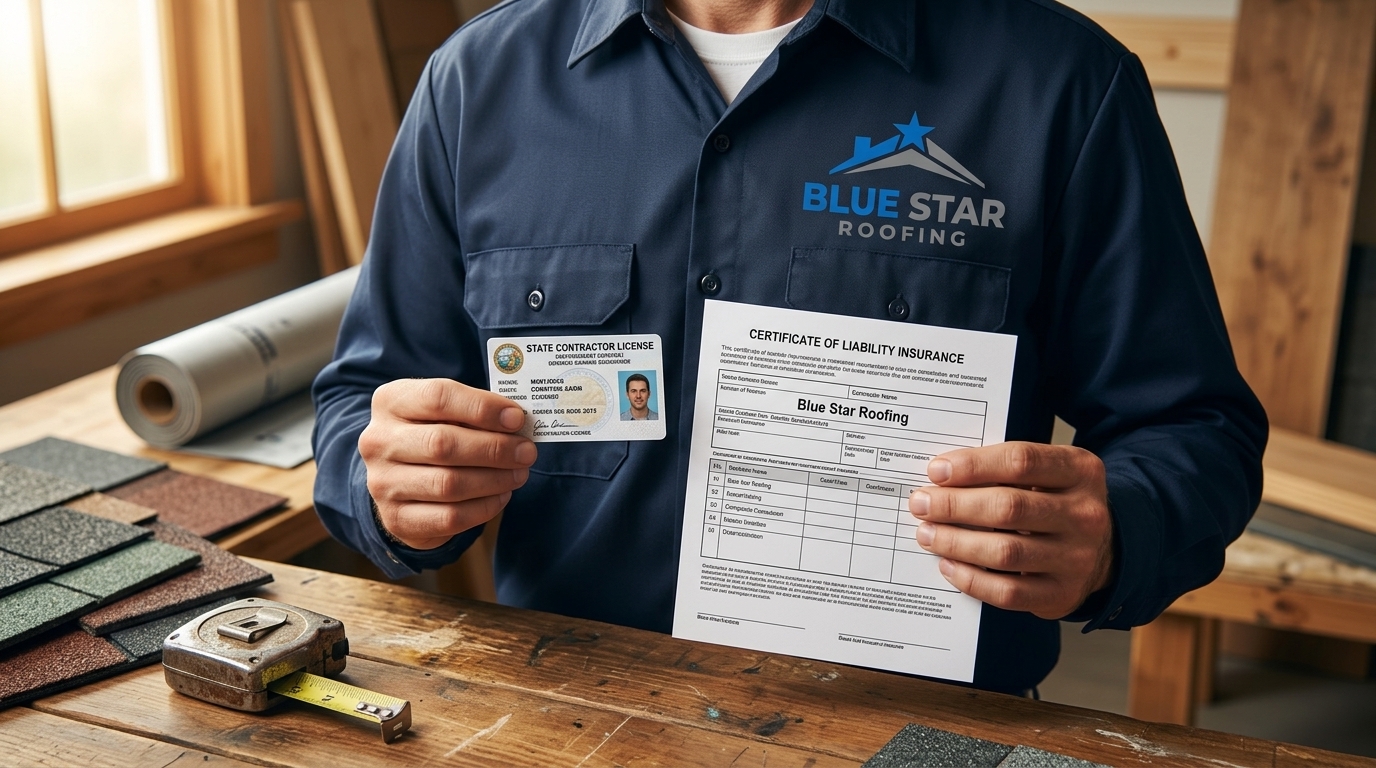
A reliable roofing company will always carry valid state licensing and general liability insurance at a minimum. Workers’ compensation coverage is equally important, because if a worker is injured on your property without it, you could be held financially responsible. Always ask for proof of both before any work begins.
Beyond paperwork, reliability shows up in how a contractor communicates. Do they return calls promptly? Do they show up on time for estimates? These small behaviors signal how they will handle your project when things get complicated.
Practical tip: Before you hire, search the contractor’s license number on your state’s contractor licensing board website to confirm it is active and in good standing.
Licensing, Insurance, and What to Ask Before You Hire
Every legitimate roofing company operating in the United States is required to hold a valid contractor’s license issued by the state where they work. Licensing requirements vary by state, but the principle is the same: a licensed contractor has met minimum standards for knowledge, safety, and financial accountability.
General liability insurance protects your home and property if something goes wrong during the job — a dropped tool, a damaged gutter, or an accidental puncture through a skylight. Workers’ compensation insurance protects the crew. Both policies should be current, and you should ask for certificates directly from the insurer, not just a copy the contractor hands you.
Here are the key questions to ask any roofing company before signing a contract:
- Are you licensed in this state, and can I verify your license number?
- Do you carry general liability and workers’ compensation insurance?
- Who will be doing the actual work — your own crew or subcontractors?
- How long have you been operating under this business name?
- Can you provide three recent local references I can contact?
These questions are not aggressive — they are standard due diligence. Any top rated roofing contractor will answer them without hesitation.
The Top Qualities of the Best Roofers
The best roofers share a consistent set of qualities that go beyond just knowing how to nail down shingles. They understand materials, local building codes, manufacturer installation requirements, and how to manage a job site safely. These are the traits that separate a professional roofing company from a crew that just owns a ladder.
Experience matters enormously in roofing. A contractor who has been in business for ten or more years has seen the full range of problems — storm damage, improper previous installations, rotted decking, ventilation failures — and knows how to handle them without cutting corners.
Communication is another hallmark of quality. The best roofers keep homeowners informed at every stage: before the job starts, during installation, and after completion. You should never have to chase down your contractor for a status update.
Practical tip: Ask to see photos of completed projects similar to yours. A roofing company that takes pride in its work will have a portfolio ready to share.
Workmanship Warranties and Why They Matter
A manufacturer’s material warranty covers defects in the shingles or roofing products themselves. But a workmanship warranty — offered by the roofing company — covers the quality of the installation. This distinction is critical.
If your roof leaks two years after installation because of an improperly sealed flashing or a missed nail pattern, the material warranty will not cover it. Only a workmanship warranty from your contractor will. The best roofers typically offer workmanship warranties ranging from two to ten years, and some elite contractors offer lifetime workmanship coverage.
Always get the workmanship warranty in writing before work begins. Verbal promises are worthless once the crew has packed up and left. A top rated roofing contractor will have no problem putting their guarantee on paper.
How to Spot a Top Rated Roofing Contractor
A top rated roofing contractor earns that status through consistent performance, verified reviews, and industry recognition — not just a flashy website. Knowing how to identify one before you hire can save you thousands of dollars and months of headaches.
Start with online reviews. Google, the Better Business Bureau, and Houzz are reliable platforms where homeowners leave honest feedback. Look for patterns: consistent praise for communication, cleanliness, and follow-through are strong positive signals. A handful of negative reviews is normal — how the company responds to them tells you more than the reviews themselves.
Industry certifications are another strong indicator. Manufacturer certifications from companies like GAF, Owens Corning, or CertainTeed require contractors to meet installation standards, maintain insurance, and complete ongoing training. A roofing company that holds these certifications has been vetted by the manufacturer — not just by its own marketing.
Practical tip: Check whether the roofing company has been in business under the same name for at least five years. Storm chasers and fly-by-night contractors frequently change business names to escape negative reviews.
Red Flags That Signal an Unreliable Roofing Company
Some warning signs are subtle. Others are glaring. Either way, knowing what to look for before you sign anything can protect you from a costly mistake.
Watch out for these red flags when evaluating any roofing company:
- They show up unsolicited after a storm and pressure you to sign immediately
- They ask for full payment upfront before any work begins
- They cannot provide proof of licensing or insurance on the spot
- Their estimate is dramatically lower than every other bid you received
- They want you to sign over your insurance claim directly to them
- They have no physical business address or local presence
- They use high-pressure tactics or create artificial urgency
A legitimate roofing company will never pressure you into a same-day decision. Take your time, compare multiple bids, and trust your instincts. If something feels off, it probably is.
What to Expect During a Roofing Company Inspection
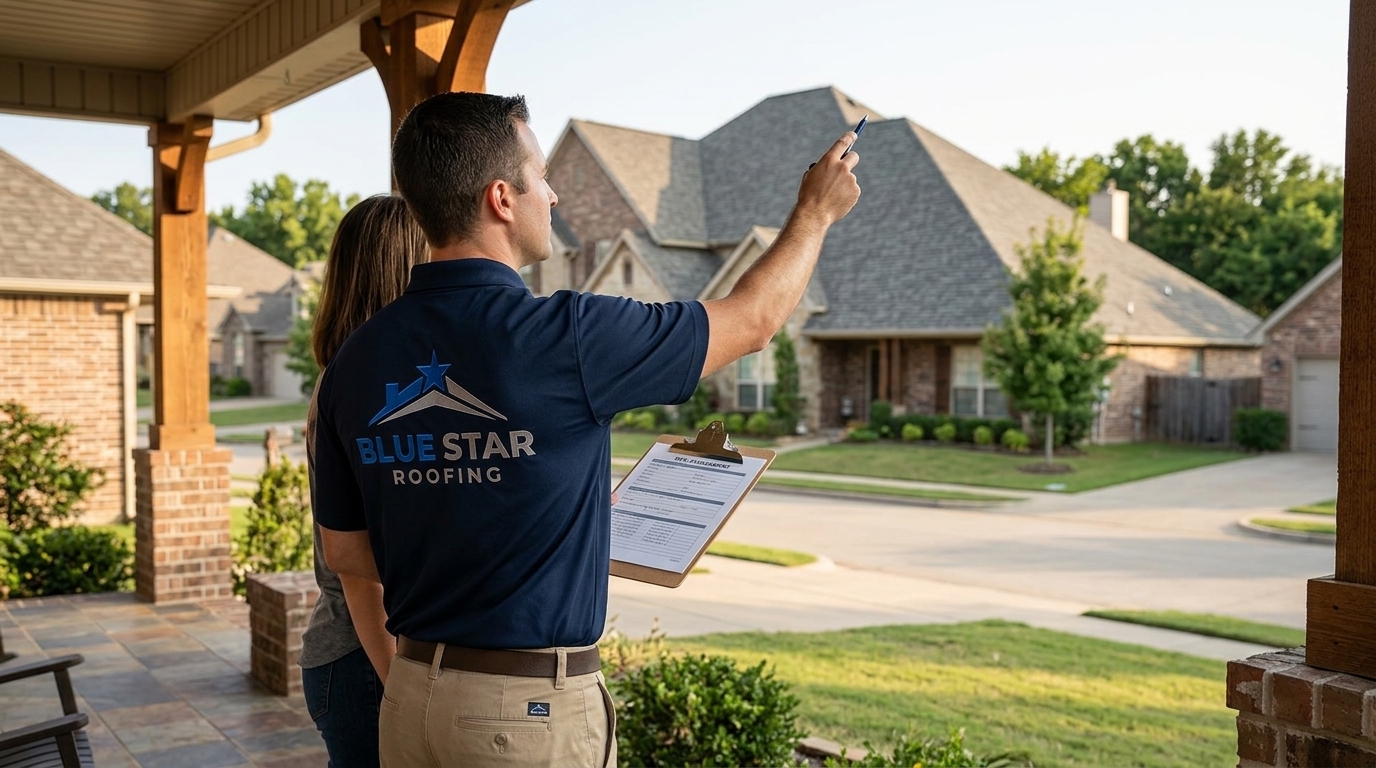
A professional roofing company inspection is not just a quick walk around the yard. A thorough inspection covers the roof surface, the attic, the gutters, the flashing, the ventilation system, and the fascia and soffit boards. Each of these components plays a role in the overall health of your roof system.
During the inspection, the contractor should document everything with photos. You should receive a written report that clearly identifies any damage, areas of concern, and recommended repairs or replacement. If a contractor gives you a verbal estimate without ever going on the roof, that is a serious red flag.
A good inspection also includes an attic check. Moisture staining, inadequate insulation, and poor ventilation are often the root cause of premature roof failure — and they are invisible from the outside. The best roofers know that a roof is a system, not just a surface.
Practical tip: Schedule your inspection on a dry day with good visibility. Wet or icy conditions can prevent a contractor from safely accessing the roof and may result in a less thorough assessment.
Understanding Your Roofing Estimate
A detailed written estimate from a roofing company should break down every cost: materials, labor, disposal of old roofing, permits, and any additional work identified during the inspection. Vague estimates with a single lump-sum number are a warning sign.
Pay attention to the materials specified. The estimate should list the exact shingle brand, product line, and color, as well as the underlayment, ice and water shield, ridge cap, and ventilation components. If the estimate just says ‘shingles,’ ask for specifics.
Get at least three estimates before making a decision. Price differences between bids often come down to material quality, warranty coverage, and the experience level of the crew. The lowest bid is rarely the best value when it comes to your roof.
Roofing Materials and What the Best Roofers Recommend
Material selection is one of the most consequential decisions in any roofing project. The best roofers will walk you through your options based on your climate, your home’s architectural style, your budget, and the expected lifespan you need from the roof.
Asphalt shingles remain the most popular choice for residential roofing in North America. They are cost-effective, widely available, and come in a range of styles from basic three-tab to premium architectural and designer profiles. A quality architectural shingle installed by a skilled roofing company can last 25 to 30 years with proper maintenance.
Metal roofing has grown significantly in popularity over the past decade. Standing seam metal roofs offer exceptional durability — often 40 to 70 years — and perform well in high-wind and heavy-snow environments. The upfront cost is higher, but the long-term value is compelling for homeowners who plan to stay in their home.
Other options include wood shake, slate, tile, and synthetic materials that mimic the look of premium products at a lower price point. Each has its own installation requirements, and not every roofing company has the expertise to install all of them correctly.
Practical tip: Ask your contractor which materials they install most frequently. A roofing company that specializes in a particular product will typically deliver better results than one that installs everything equally.
Questions to Ask Any Roofing Company Before Signing
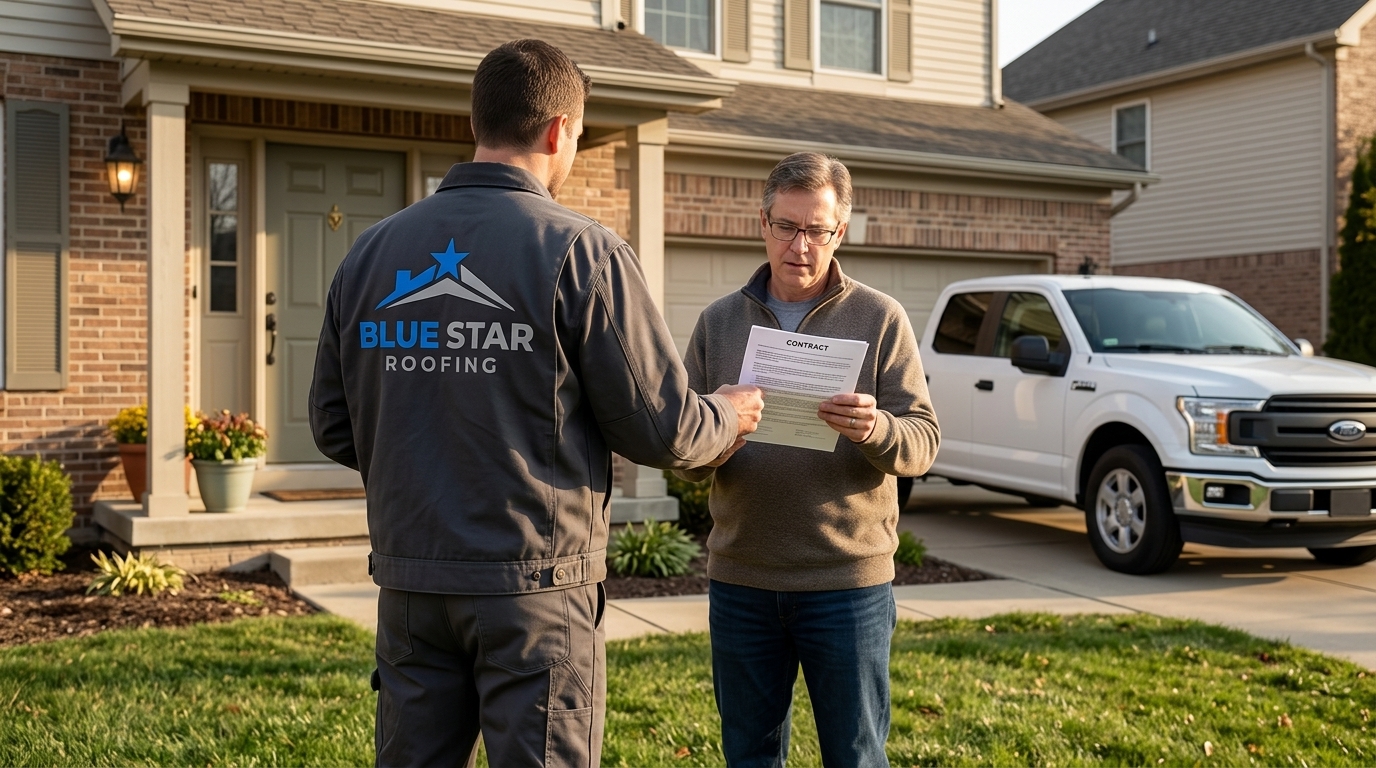
Signing a roofing contract is a significant financial commitment. Before you put pen to paper, there are specific questions every homeowner should ask — and every reputable roofing company should be able to answer clearly.
Start with the basics: How long have you been in business? Are you licensed and insured in this state? Will you pull the required permits for this job? Permits are not optional — they protect you legally and ensure the work is inspected by a local building official.
Next, dig into the project specifics: Who will be on-site managing the job each day? Will you use your own employees or subcontractors? What is the estimated timeline from start to completion? What happens if unexpected damage is found once the old roof is removed?
Finally, clarify the financial terms: What is the payment schedule? Do you offer financing? What does your workmanship warranty cover, and for how long? A trustworthy roofing company will answer every one of these questions in writing.
Practical tip: Never pay more than 10–15% of the total project cost as a deposit. Reputable contractors do not need large upfront payments to begin work.
Why Blue Star Roofing Is the Roofing Company Homeowners Trust
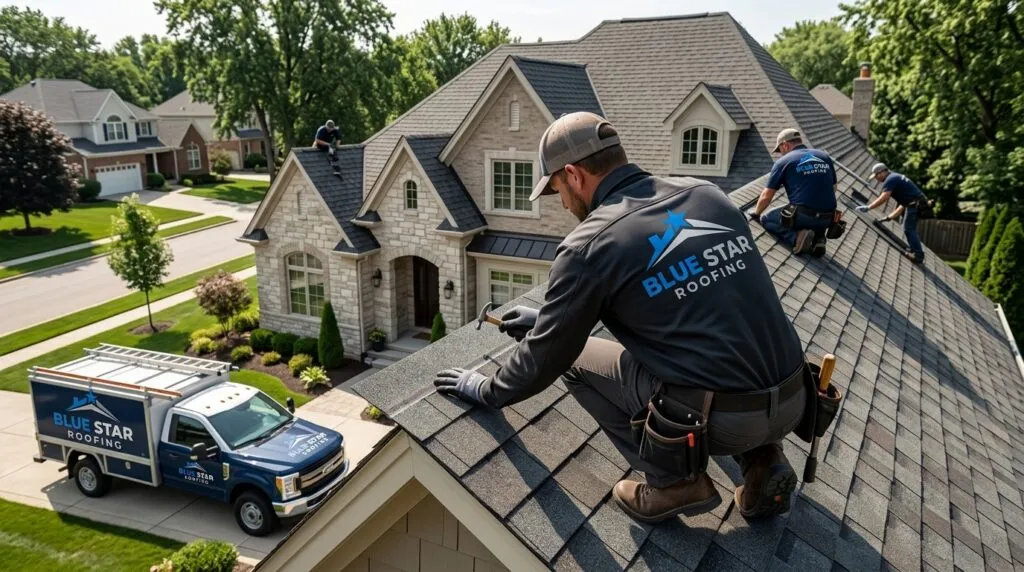
Blue Star Roofing has built its reputation on the same principles that define every great roofing company: honest communication, quality craftsmanship, and standing behind every job long after the crew has left. Homeowners choose Blue Star Roofing not just because of competitive pricing, but because of the confidence that comes with working with a contractor who treats every roof like it is their own.
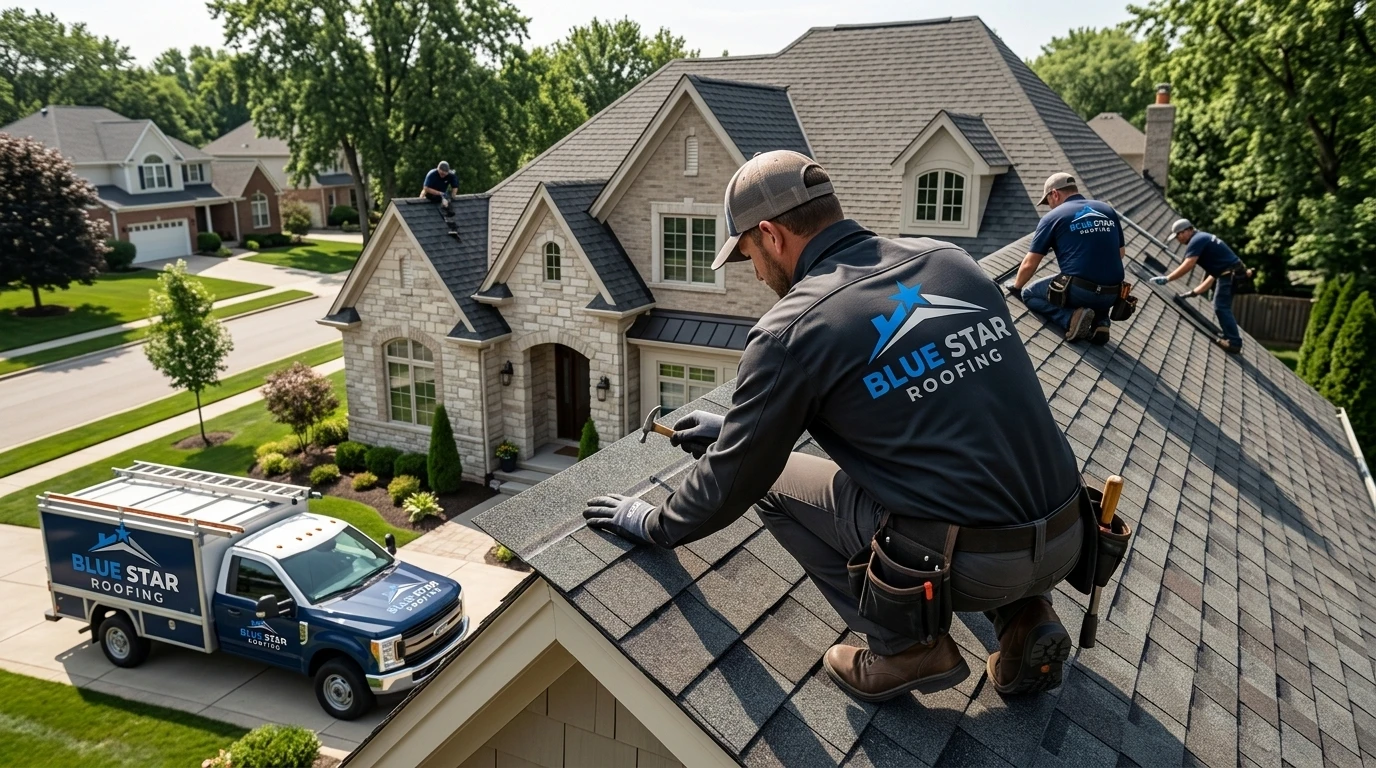
Every project begins with a thorough inspection and a detailed written estimate — no surprises, no hidden fees. Blue Star Roofing uses only manufacturer-certified materials and employs trained, experienced crews who take pride in clean, precise installations. Permits are always pulled. Warranties are always in writing.
The best roofers do not just install roofs — they build relationships with homeowners that last for years. Whether you need a full replacement, a targeted repair, or a second opinion on a previous contractor’s work, Blue Star Roofing brings the same level of care and professionalism to every call.
Practical tip: When comparing contractors, look beyond the price. Ask each one how they handle unexpected problems mid-project. The answer will tell you everything about how they operate when things do not go according to plan.
Your roof protects everything beneath it — your family, your belongings, and the structural integrity of your home. Choosing the right roofing company is not a decision to rush or take lightly. The seven proven signs covered in this guide give you a clear framework: verify credentials, demand written warranties, ask the right questions, and trust your instincts when something feels off. The best roofers are out there — and now you know exactly how to find them. Whether you are facing an urgent repair or planning a full replacement, taking the time to vet your contractor properly will save you money, stress, and regret in the long run.
Ready to work with a roofing company that checks every box? Contact Blue Star Roofing today for a free inspection and detailed written estimate — no pressure, no surprises.
Frequently Asked Questions
How do I know if a roofing company is legitimate?
A legitimate roofing company will carry active state licensing and both general liability and workers’ compensation insurance. Ask for certificates directly from the insurer, verify the license number on your state’s contractor board website, and check for a physical business address and verifiable local reviews. Any contractor who hesitates to provide this information should be disqualified immediately.
What should a roofing company include in a written estimate?
A thorough estimate from a roofing company should itemize every cost: materials with specific brand and product names, labor, permit fees, old roof disposal, and any additional repairs identified during the inspection. Avoid any contractor who provides only a single lump-sum number without a breakdown. Detailed estimates protect you from surprise charges and make it easier to compare bids accurately.
How long does it take a roofing company to replace a roof?
Most residential roof replacements take one to three days for a standard-sized home, depending on the size and pitch of the roof, the materials being installed, and the size of the crew. A roofing company should give you a realistic timeline in writing before work begins. Weather delays are common and should be addressed in the contract.
What is the difference between a material warranty and a workmanship warranty from a roofing company?
A material warranty covers defects in the roofing products themselves and is issued by the manufacturer. A workmanship warranty is offered by the roofing company and covers the quality of the installation. If your roof leaks due to improper installation — a missed flashing seal, for example — only the workmanship warranty will cover the repair. Always get both warranties in writing before work begins.
How do I find the best roofers in my area?
Start by asking neighbors, friends, or your real estate agent for referrals. Then verify each candidate’s licensing, insurance, and online reviews on Google and the Better Business Bureau. The best roofers will have a consistent track record of positive feedback, manufacturer certifications, and a willingness to answer all your questions before asking for a deposit. Blue Star Roofing is a trusted option that meets every one of these standards.