
Solar Roofing in Anaheim: What Every Homeowner Should Know Before Going Solar
If you’ve been researching solar roofing Anaheim options, you’re already ahead of most homeowners in Orange County. Anaheim’s near-year-round sunshine makes it one of the best locations in California to generate solar energy from your roof. Before you sign any contracts or pick up the phone, there are a few critical things you need to understand about how solar roofing works, what it costs, and how to make sure the job is done right.
Why Solar Roofing in Anaheim Makes Financial Sense
Anaheim averages more than 280 sunny days per year. That’s not just great weather — it’s a direct financial asset sitting on top of your house. A properly installed solar roof can reduce your monthly electricity bill by 50% to 90%, depending on your system size and energy usage.
California’s net metering program allows you to sell excess power back to the grid, which means your roof can actually generate credits on your utility bill. Combined with the federal solar Investment Tax Credit (ITC), which currently offers a 30% tax credit on installation costs, the return on investment for solar roofing Anaheim homeowners is genuinely compelling.
Practical tip: Before getting quotes, pull your last 12 months of electricity bills and calculate your average monthly kilowatt-hour usage. This single number will help any reputable installer size your system accurately — and protect you from being oversold.
How Solar Roofing Anaheim Affects Your Home’s Resale Value
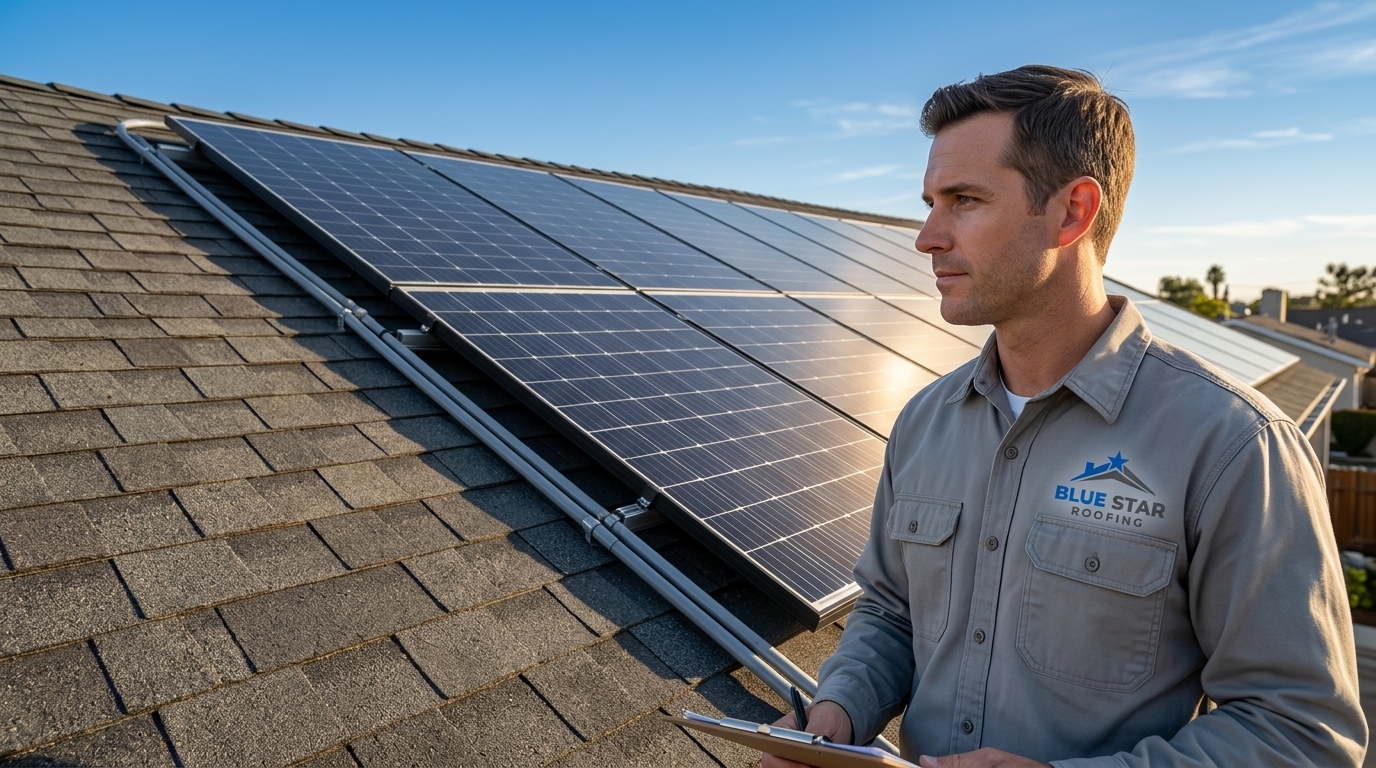
Studies from Lawrence Berkeley National Laboratory have consistently shown that homes with solar installations sell faster and at a premium compared to non-solar homes. In competitive Southern California markets like Anaheim, that premium can range from $10,000 to $30,000 depending on system size.
Buyers in this region are increasingly solar-aware. A fully owned (not leased) solar system is viewed as a major selling point, not a liability. If you’re planning to sell within the next five to ten years, solar roofing Anaheim is one of the few home improvements that pays you back both while you live there and when you leave.
One important note: leased solar systems can complicate a home sale. Always opt for a purchased system if long-term resale value is a priority.
Understanding the Two Main Types of Solar Roof Systems
Not all solar installations are the same, and understanding the difference will help you ask better questions when getting estimates.
The two primary options are:
- Traditional solar panel systems: Photovoltaic (PV) panels are mounted on a racking system above your existing roof. This is the most common and cost-effective approach. Panels can be removed if the roof needs replacement.
- Solar roof tiles (integrated systems): Individual solar tiles replace your existing roofing material entirely. These look more seamless but cost significantly more and have fewer certified installers.
For most Anaheim homeowners, traditional panel systems offer the best balance of performance, cost, and flexibility. Solar roof tiles make more sense during a full roof replacement when you’re already spending on new roofing material.
Practical tip: If your existing roof has less than 5 years of life left, schedule a roof inspection before committing to a panel installation. Installing panels on a roof that needs replacement in two years means paying to remove and reinstall them — an avoidable expense.
What to Know About Roof Condition Before Installing Solar Panels
Your roof’s structural integrity is the foundation of any solar installation. Panels typically carry a 25-year warranty, so the roof beneath them needs to be in solid shape before installation begins.
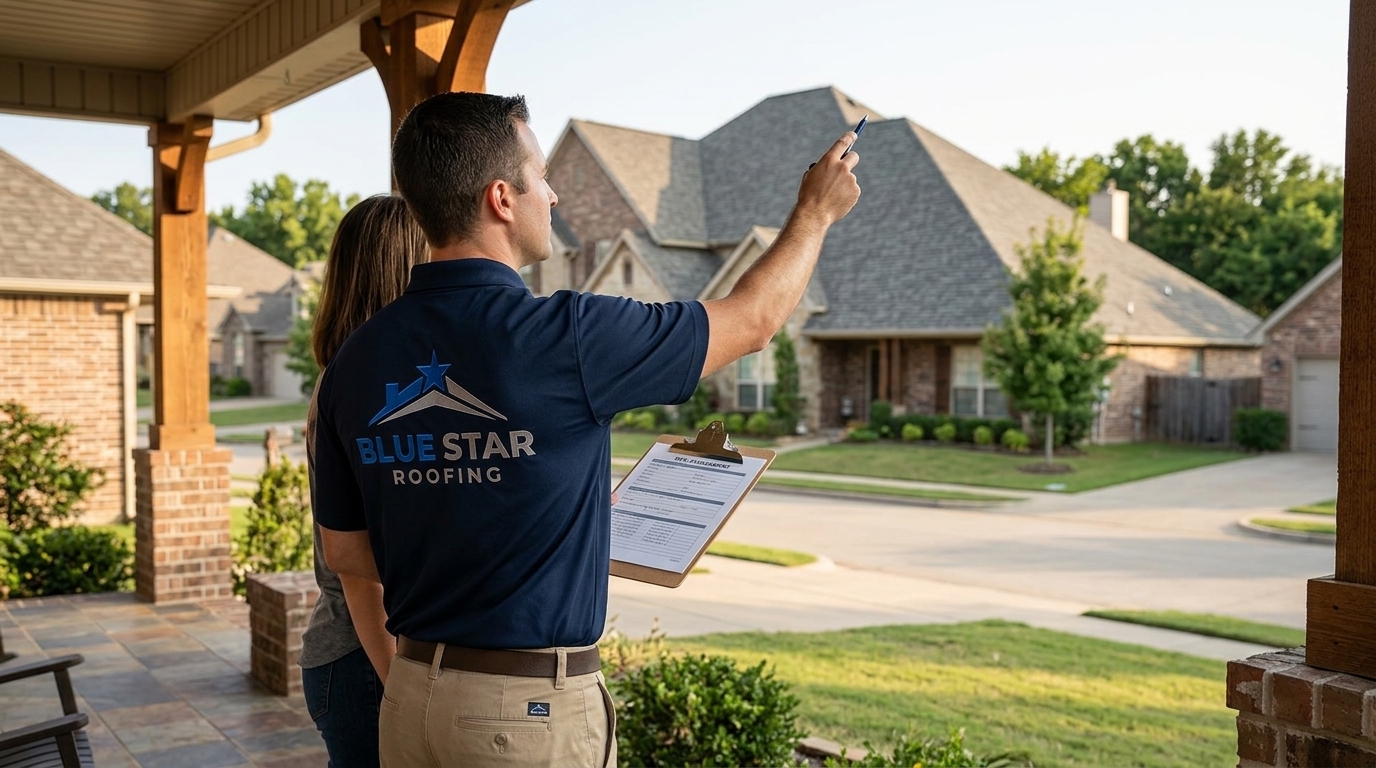
A qualified roofing contractor will assess your roof’s age, shingle condition, decking integrity, and load-bearing capacity before any solar work begins. In Anaheim, where homes range from post-war bungalows to newer tract housing, roof conditions vary widely.
If your roof needs repairs or partial replacement, it’s almost always better to handle that work first. Doing it after panels are installed adds labor costs and scheduling complexity. Blue Star Roofing evaluates roof readiness as part of every solar consultation — so you’re never caught off guard mid-project.
The Solar Roofing Installation Process: Step by Step
Understanding what happens during installation helps you set realistic expectations and spot red flags if a contractor cuts corners.
Here’s how a professional solar roofing installation typically unfolds:
- Site assessment and roof inspection: A technician evaluates your roof’s orientation, pitch, shading, and structural condition.
- System design: Engineers calculate the optimal panel layout and system size based on your energy usage and roof geometry.
- Permit application: In Anaheim, permits are required for solar installations. A reputable contractor handles this on your behalf.
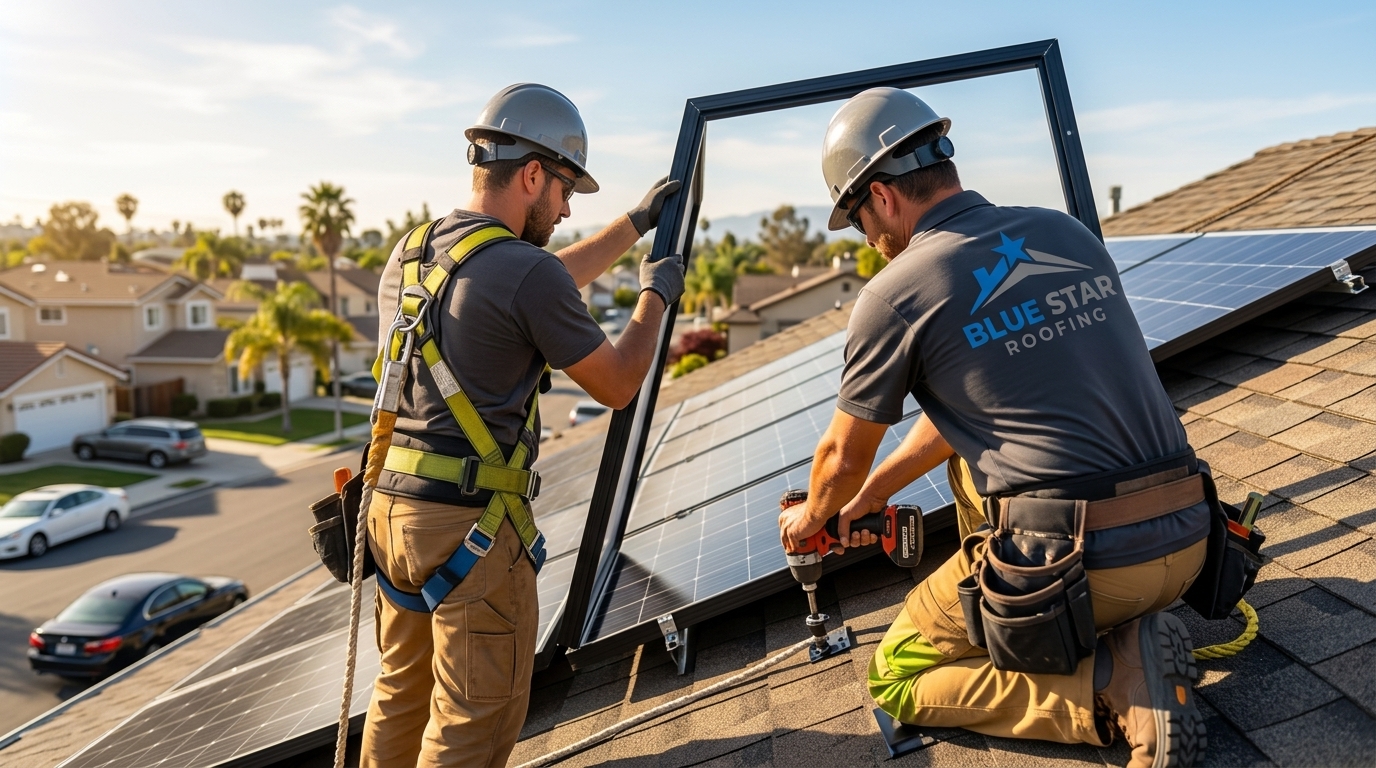
- Installation day: Mounting hardware is secured to the roof rafters, panels are attached to the racking, and electrical connections are made to your inverter and main panel.
- City inspection: An Anaheim city inspector verifies the installation meets local building and electrical codes.
- Utility interconnection: Southern California Edison (SCE) approves your system for grid connection and net metering enrollment.
The full process from signed contract to live system typically takes 6 to 12 weeks, with most of that time spent on permitting and utility approval — not actual installation.
Practical tip: Ask your contractor for a written project timeline that includes permit submission and utility interconnection milestones. Vague timelines are a common source of frustration.
Solar Roofing Anaheim: Costs, Incentives, and What to Budget
Cost is usually the first question homeowners ask, and it deserves a straight answer. In the Anaheim area, a typical residential solar panel system ranges from $15,000 to $30,000 before incentives, depending on system size (measured in kilowatts).
After applying the 30% federal ITC, that range drops to roughly $10,500 to $21,000. California also offers additional incentives through programs like the Self-Generation Incentive Program (SGIP) for battery storage, which can further reduce your out-of-pocket cost.
Here’s a simplified cost breakdown for a mid-size 7kW system in Anaheim:
- Gross system cost: ~$21,000
- Federal ITC (30%): -$6,300
- Net cost after federal credit: ~$14,700
- Estimated annual electricity savings: $1,800–$2,400
- Estimated payback period: 6–8 years
After payback, the system continues generating free electricity for another 15 to 20 years. That’s a strong long-term return for most households.
Practical tip: Get at least three written quotes before committing. Price variation between installers in the Anaheim market can be significant — sometimes $4,000 to $6,000 for the same system size.
Financing Options for Solar Roofing in Anaheim
Most homeowners don’t pay for solar out of pocket, and there are several solid financing paths available.
- Solar loans: Offered through banks, credit unions, and specialized solar lenders. You own the system from day one and keep all tax credits and incentives.
- PACE financing (Property Assessed Clean Energy): Repaid through your property tax bill. No upfront cost, but it attaches to the property — something to consider if you plan to sell.
- Cash purchase: The highest upfront cost but the fastest payback and greatest long-term savings.
Avoid solar leases and power purchase agreements (PPAs) if possible. While they offer $0 down, you don’t own the system, which limits your ability to claim tax credits and can complicate a future home sale.
Choosing the Right Contractor for Solar Roofing in Anaheim
The quality of your installation matters as much as the quality of your panels. A poorly installed system can leak, underperform, or void your roof warranty — and those problems don’t always show up immediately.
When evaluating contractors for solar roofing in Anaheim, look for these qualifications:
- California Contractors State License Board (CSLB) license — both a C-10 (electrical) and C-39 (roofing) license are relevant for solar work
- NABCEP (North American Board of Certified Energy Practitioners) certification for solar installers
- Verifiable local references and completed projects in the Anaheim or Orange County area
- Clear, itemized written contracts with equipment specs, warranty terms, and project timelines
- Experience handling Anaheim city permits and SCE interconnection applications
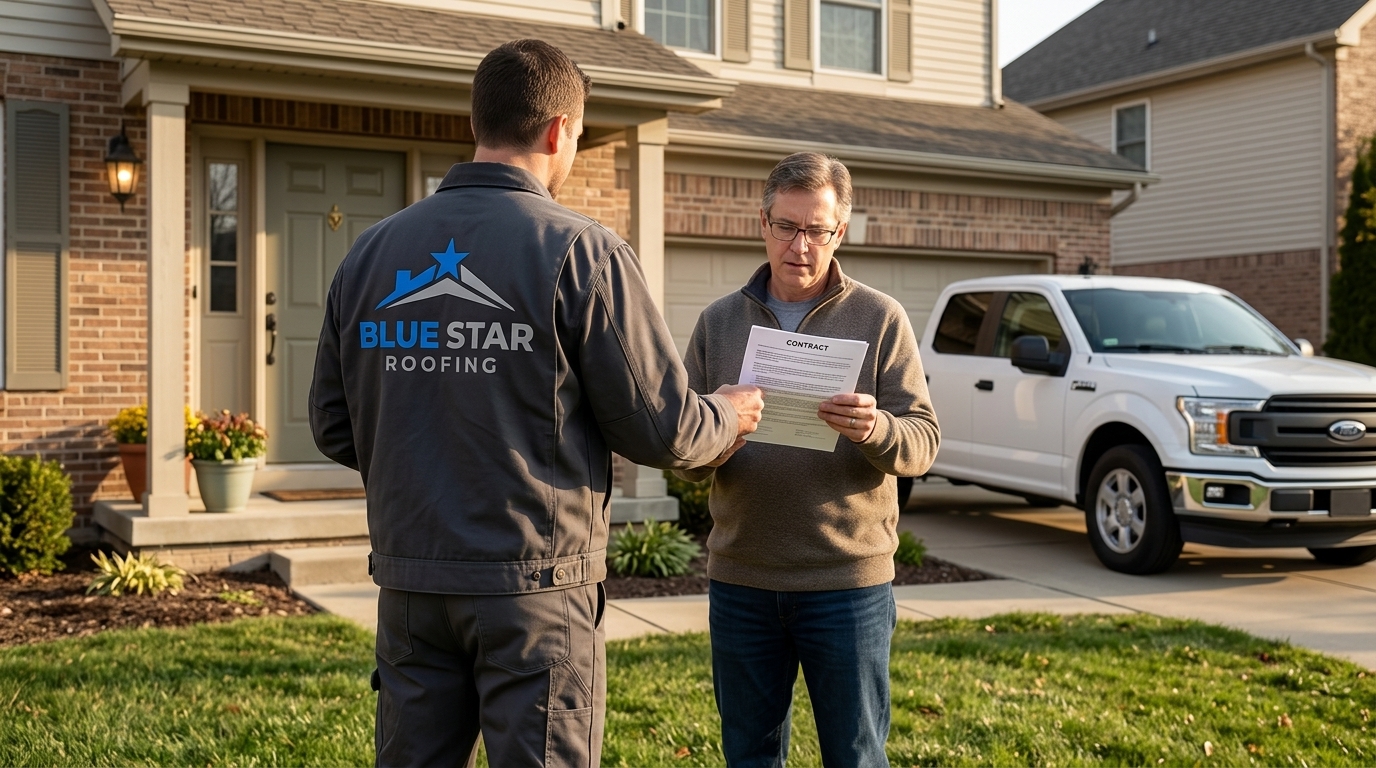
A contractor who is vague about licensing, pushes you to sign quickly, or can’t provide local references is a contractor worth walking away from.
Practical tip: Verify any contractor’s CSLB license number directly on the California CSLB website before signing anything. It takes two minutes and can save you from a costly mistake.

Common Mistakes Homeowners Make with Solar Roof Projects
Even well-intentioned homeowners make avoidable errors when going solar. Here are the most common ones to watch out for.
Skipping the roof inspection: Installing panels on a compromised roof is one of the most expensive mistakes in solar roofing. Always confirm your roof’s condition first.
Choosing the cheapest quote: Low bids often mean lower-grade panels, inexperienced crews, or missing permit costs that get added later. The cheapest solar installation is rarely the best value.
Not understanding shading: Even partial shading from a nearby tree or chimney can significantly reduce system output. A quality installer will model your roof’s shading patterns before designing the system.
Ignoring the inverter type: String inverters are cheaper but lose efficiency when even one panel is shaded. Microinverters or power optimizers cost more upfront but perform better on complex or partially shaded roofs.
Signing a lease without reading it: Solar leases can include annual escalator clauses that raise your payment 2–3% per year. Read every line before signing.
Practical tip: Ask your installer to show you the shading analysis report for your specific roof. If they can’t produce one, that’s a red flag.
Maintaining Your Solar Roof for Long-Term Performance
Solar panels are low-maintenance, but they’re not no-maintenance. Keeping your system performing at its best requires a few simple habits.
In Anaheim’s dry, dusty climate, panels can accumulate a layer of dust and debris that reduces output by 5–15% over time. A light rinse with a garden hose every few months is usually sufficient — avoid high-pressure washing, which can damage panel surfaces or roof flashing.
Monitor your system’s output regularly through your inverter’s monitoring app. A sudden drop in production that isn’t explained by weather is worth investigating. Most modern inverters provide real-time data and will alert you to underperforming panels.
Schedule a professional roof and panel inspection every 3–5 years. This catches small issues — loose mounting hardware, cracked flashing, or degraded sealant — before they become expensive repairs.
Practical tip: Keep a record of your system’s monthly production output from the first year. This baseline makes it easy to spot performance degradation in future years.
Solar roofing Anaheim homeowners invest in today can deliver decades of energy savings, a stronger home resale value, and real protection against rising utility rates. The key is going in informed — understanding your roof’s condition, the true costs after incentives, and what separates a quality installation from a rushed one. Whether you’re just starting to research or ready to get quotes, taking the time to ask the right questions will save you money and headaches down the road. Blue Star Roofing brings both roofing expertise and solar knowledge to every project, so your roof and your panels are built to last together.
Ready to explore solar for your home? Contact Blue Star Roofing for an honest assessment and a no-pressure quote.
Frequently Asked Questions
How much does solar roofing in Anaheim typically cost?
The cost of solar roofing Anaheim homeowners pay typically ranges from $15,000 to $30,000 before incentives, depending on system size. After applying the 30% federal Investment Tax Credit, most homeowners bring that cost down to the $10,500–$21,000 range. Getting multiple quotes from licensed local contractors is the best way to find accurate pricing for your specific home.
Do I need to replace my roof before installing solar panels?
Not necessarily, but your roof should have at least 10–15 years of remaining life before you install panels. If your roof is older or showing signs of wear, it’s smarter to repair or replace it first. Removing and reinstalling panels to fix a roof later adds significant labor costs that are entirely avoidable with a little planning upfront.
Is solar roofing Anaheim worth it for my home?
For most Anaheim homeowners, yes — solar roofing Anaheim is a strong investment given the city’s high sun exposure, rising electricity rates, and available tax incentives. The typical payback period is 6–8 years, after which the system generates essentially free electricity for another 15–20 years. Homes with south- or west-facing roofs and minimal shading see the best returns.
How long does a solar roof installation take in Anaheim?
The physical installation usually takes one to three days, but the full process from signed contract to a live system typically takes 6 to 12 weeks. Most of that time is spent on city permitting and Southern California Edison’s interconnection approval process — not the installation itself. A good contractor will keep you updated at every milestone.
What permits are required for solar roofing in Anaheim?
Anaheim requires both a building permit and an electrical permit for solar installations. Your contractor is responsible for pulling these permits on your behalf — if they suggest skipping permits to save time or money, walk away. Unpermitted solar work can create serious problems when you sell your home or file an insurance claim.